

Snake Bite First Aid in Australia – What You Need to Know
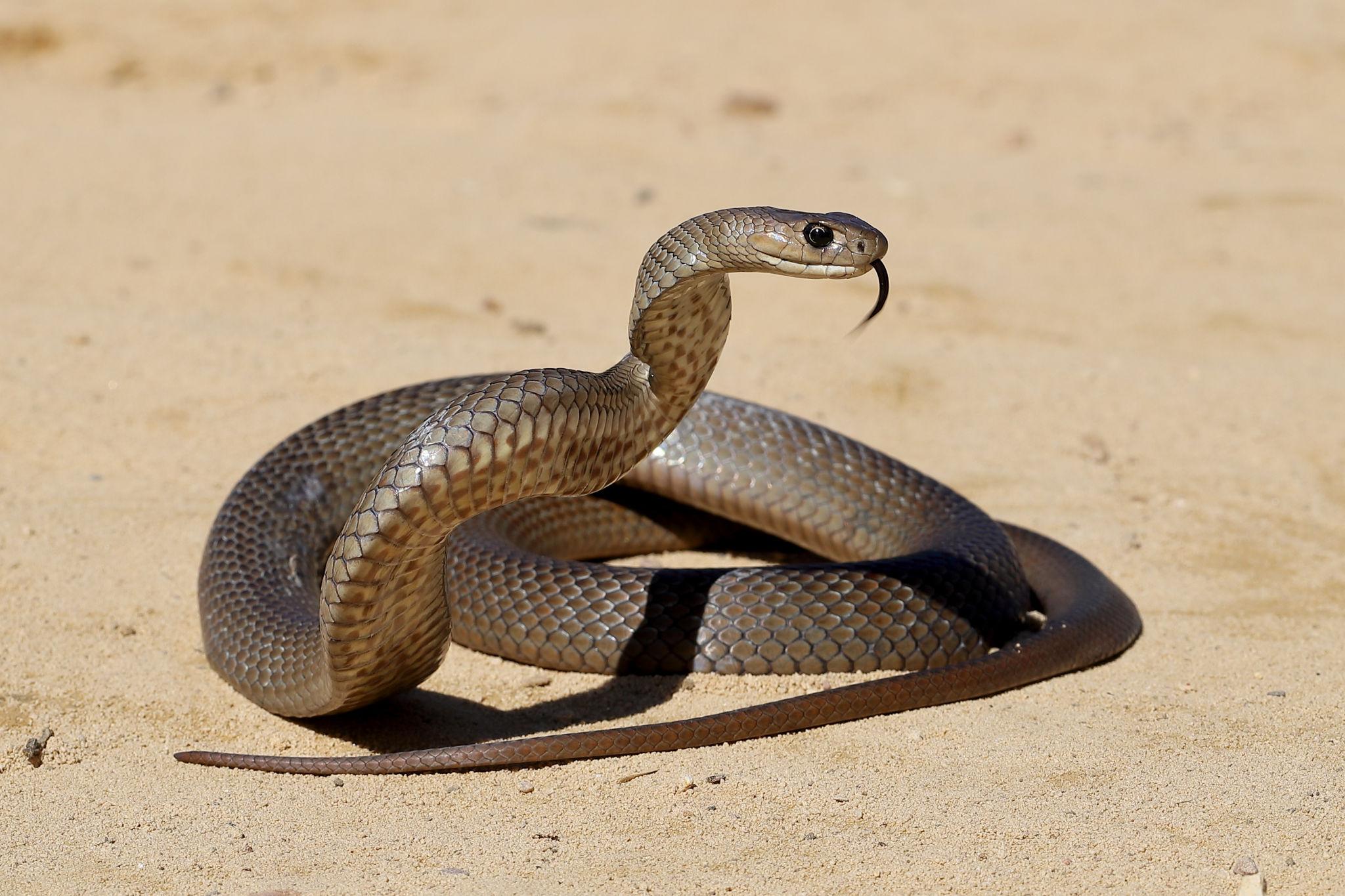
For many Australians, simply seeing a snake can be confronting. As the weather warms, snakes become more active, increasing the chance of encounters around homes, workplaces, farms, bushland, walking tracks and campsites.
Most snakes will avoid people where possible, but bites can occur if a snake is accidentally stepped on, disturbed, threatened or cornered.
Knowing what to do after a snake bite — and having the right equipment available — can make a critical difference.
At First Aid Accident & Emergency (FAAE), we believe preparation saves lives. Whether you work outdoors, enjoy camping or hiking, live on acreage or simply spend time in areas where snakes may be present, understanding Australian snake bite first aid is an important skill.
What to Do Immediately After a Snake Bite
Treat every suspected snake bite as a medical emergency.
Even if there are no obvious fang marks or the person initially feels well, symptoms can be delayed. Do not wait for symptoms to appear before starting first aid.
1. Move Away From Immediate Danger
Move away from the snake only as much as necessary to prevent another bite.
Do not attempt to catch, kill or closely identify the snake.
Once safely away from the snake, the casualty should stop moving and remain as still as possible.
2. Call Triple Zero (000)
Call 000 immediately and request an ambulance.
Tell the operator that you are dealing with a suspected snake bite and follow any instructions provided.
If the casualty becomes unresponsive and is not breathing normally, commence CPR and follow normal emergency procedures.
3. Keep the Casualty Completely Still
Movement is one of the most important things to minimise following a snake bite.
Have the casualty lie down and remain still. Do not allow them to walk to a vehicle, ambulance or medical facility unless there is an immediate danger that requires movement.
Australian snake venoms are largely transported from the bite site through the lymphatic system. Muscle movement can increase lymphatic flow and potentially increase the movement of venom through the body.
This is why pressure and immobilisation are such important parts of Australian snake bite first aid.
Check out our snake bite kit here
How to Apply a Pressure Immobilisation Bandage
For a snake bite to an arm or leg, apply the Pressure Immobilisation Technique (PIT) as soon as possible. Check out our snake bite kits here
Step 1 – Apply Firm Pressure Over the Bite
Apply a broad pressure bandage firmly over the bite site.
The pressure should be similar to the pressure used when bandaging a sprained ankle — firm, but not so tight that circulation is cut off.
If possible, mark the location of the bite on the outside of the bandage.
Step 2 – Bandage the Entire Limb
Apply a firm pressure bandage over as much of the affected limb as possible.
For a leg bite, bandage from the toes or lower part of the limb upwards towards the hip.
For an arm bite, bandage from the fingers upwards towards the shoulder.
Do not waste valuable time removing clothing. A pressure bandage can be applied over clothing if necessary.
Step 3 – Immobilise the Limb
Once bandaged, immobilise the affected limb with a splint.
The aim is to prevent muscle and joint movement.
For an arm, a sling may also be used to help keep the limb immobilised.
Step 4 – Keep the Casualty Still
Keep the casualty lying down, calm and completely still while waiting for the ambulance.
Do not remove the pressure bandage. It should remain in place until appropriately managed by medical professionals.
What if the Bite Isn’t on an Arm or Leg?
If the bite is on the chest, abdomen, pelvis or back, firm pressure may be applied directly over the bite site where possible, but pressure must not restrict breathing or chest movement.
For a bite to the head or neck, keep the casualty completely still and wait for emergency medical assistance. Do not apply pressure to the bitten area.
Why a Snake Bite First Aid Kit Matters
Snake bites can occur in locations where medical assistance may take time to arrive.
Having a dedicated snake bite first aid kit means the equipment needed to begin treatment is readily available rather than having to improvise during an emergency.
FAAE Snake Bite First Aid Kits include:
- 1 × AEROBAND™ Triangular Bandage – 110 × 110 × 155 cm
- 1 × AEROPAD™ Low Adherent Dressing – 5 × 5 cm
- 2 × AEROFORM™ Snake Bite Indicator Bandages – 10 cm × 4 m
- 1 × First Aid Information Leaflet
The included Snake Bite Indicator Bandages have printed indicators designed to assist the first aider in applying appropriate pressure.
For workplaces, farms, vehicles, camping equipment and outdoor activities, keeping a snake bite kit accessible can help ensure you’re prepared when every minute matters.
What NOT to Do After a Snake Bite
Knowing what not to do is just as important.
Do not:
- Wash or clean the bite site
- Cut the bite or attempt to suck out venom
- Apply a tourniquet
- Apply ice to the bite
- Allow the casualty to walk around
- Remove the pressure immobilisation bandage once applied
- Try to catch or kill the snake
- Delay calling 000 while waiting for symptoms
- Assume the snake was harmless because the casualty initially feels well
Venom left on the skin around the bite may assist medical professionals with identification, so the bite site should not be washed.
What Is a Dry Snake Bite?
A dry bite occurs when a snake bites without injecting a clinically significant amount of venom.
The problem is that you cannot reliably determine at the scene whether a bite is dry or whether envenomation has occurred.
There may be little or no pain, fang marks may be difficult to see, and symptoms can take time to develop.
For this reason, every suspected snake bite should be treated as potentially venomous and managed as a medical emergency.
Signs and Symptoms of Snake Envenomation
Symptoms can vary depending on the snake, the amount of venom injected and the individual.
Possible symptoms can include:
- Headache
- Nausea or vomiting
- Dizziness or weakness
- Abdominal pain
- Sweating
- Difficulty speaking or swallowing
- Drooping eyelids
- Muscle weakness
- Breathing difficulties
- Collapse or loss of consciousness
Importantly, the absence of symptoms does not mean the person is safe.
Always call 000 and apply appropriate first aid following a suspected snake bite.
Why Does Pressure Immobilisation Work?
Pressure immobilisation is designed to restrict the movement of venom from the bite site.
Most Australian snake venom initially moves through the body’s lymphatic system before reaching the circulation.
The combination of firm pressure over the affected limb and restricting muscle movement can significantly slow lymphatic flow.
This gives emergency medical services valuable time to transport the casualty to hospital for assessment and treatment.
Preventing Snake Bites
Prevention remains the best protection.
When spending time outdoors:
- Wear enclosed footwear and appropriate clothing
- Be careful when stepping over logs, rocks or long grass
- Avoid placing hands into areas you cannot clearly see
- Use a torch when walking outside at night
- Keep lawns maintained and remove rubbish, leaves and potential hiding places around buildings
- Teach children never to approach or touch a snake
If you encounter a snake, keep your distance and allow it an opportunity to move away.
Never attempt to catch or kill a snake. If a snake needs to be removed from a home or workplace, contact an appropriately qualified snake catcher.
Be Prepared for a Snake Bite Emergency
Snake bites are relatively uncommon, but when they occur, correct first aid and rapid access to emergency medical care are critical.
Remember the key actions:
Call 000. Keep the casualty still. Apply pressure immobilisation. Immobilise the limb. Do not remove the bandage.
Having the correct equipment and knowing how to use it can make all the difference during a stressful emergency.
First Aid Accident & Emergency provides Snake Bite First Aid Kits, First Aid Kits and nationally recognised First Aid and CPR training to workplaces, families and organisations across Australia.
Be prepared before an emergency happens.
This information is general first aid guidance and does not replace advice from emergency services or appropriately qualified healthcare professionals. In Australia, always call Triple Zero (000) following a suspected snake bite.
 Google 5.0

 Construction Defibrillator Bundles