
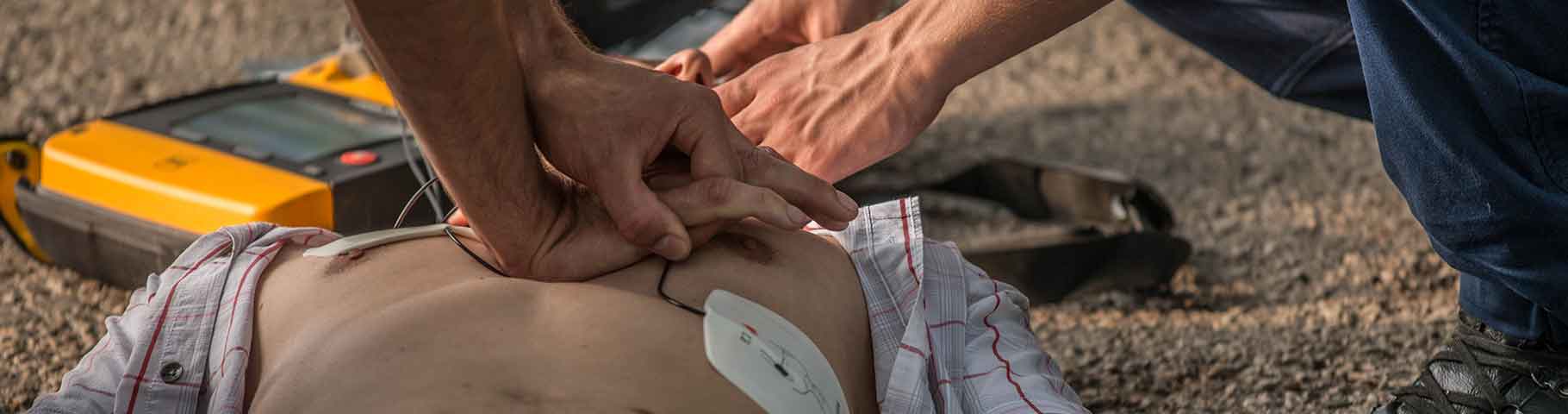
Why CPR training is so important
Cardiopulmonary Resuscitation (more commonly known as CPR) is an essential skill to have. When you’ve been trained in CPR, you could potentially save the life of a family member, colleague or even a stranger. Read our latest blog to learn all about the importance of CPR.
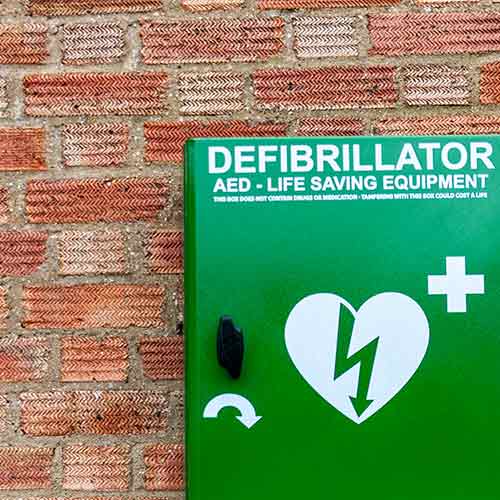
What are the different types of defibrillators?
Over the years, there have been many different defibrillator models introduced to the market in Australia and internationally. The team here at First Aid Accident & Emergency are defibrillator experts and we want to share our expertise with you—this is why we’ve created a summary of the different types of defibrillators.

Don’t overheat this Summer: First aid tips to remember during the warmer months
It’s important to make sure you’re looking after yourself and preventing the risk of dehydration or heat stroke occurring during these warmer months. Our team of first aid experts have put together a few things you should remember to help you avoid overheating.
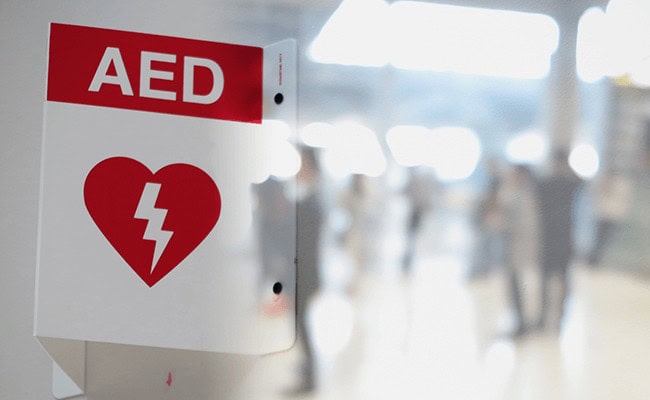
Do you need to be trained to use a defibrillator?
We regularly get asked by our students about how easy defibrillators are to use and if you require prior training to be able to use one. The answer is that modern defibs are designed to be easy enough to be used by anyone. Learn more about using defibrillators in our latest blog post.

First aid equipment you should take with you this Christmas holiday
Are you heading away this Christmas break? While you’re packing your swimmers, beach towel and sunnies, you should also pack a few first aid essentials. We’ve put together a checklist of a few of the essential first aid items you should take with you this Christmas holiday.
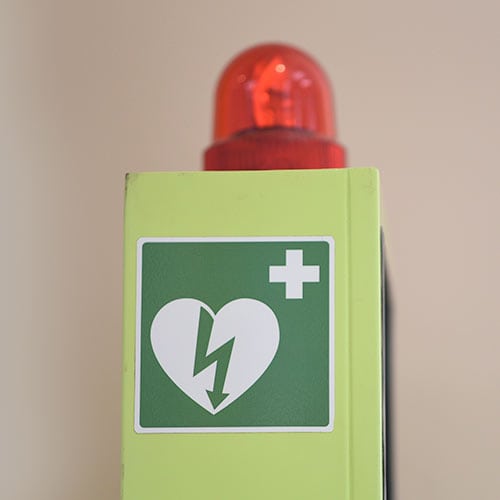
Most Common Defibrillator Myths Debunked
Here at First Aid Accident & Emergency, we’ve heard just about every myth there is when it comes to defibrillators. Can they restart a stopped heart? Can they electrocute you in the rain? We’ve decided to set the record straight for some of the defibrillator myths we come across.
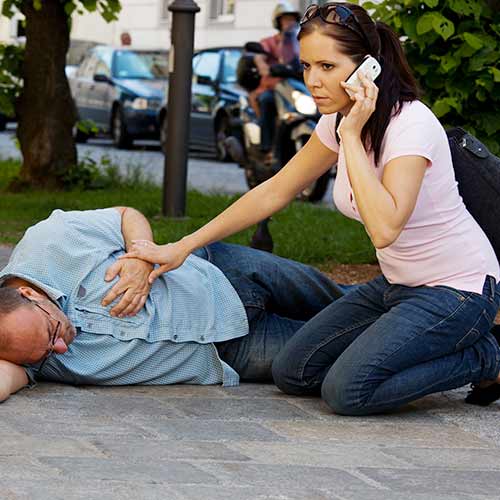
Things To Remember When Performing First Aid
We provide all our students with the very latest in first aid and CPR training to ensure they’re prepared for any kind of medical emergency. We’ve put together a few important tips to keep in mind when managing some of the most common first aid situations that occur here in Australia.
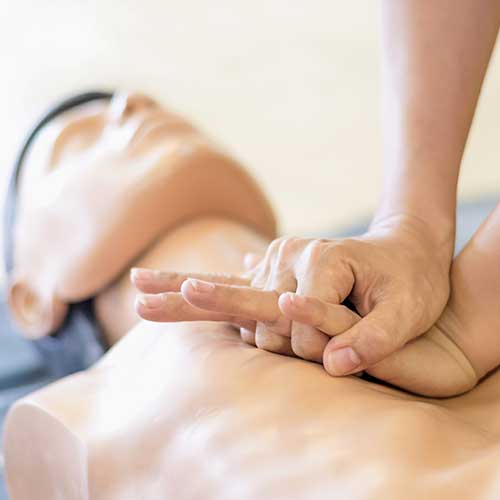
Provide CPR HLTAID001: An Overview
One of the most popular courses on offer at First Aid Accident & Emergency is Provide CPR HLTAID001. We believe that being trained in CPR is extremely important for anyone because you never know when you may have to attempt to revive someone in an emergency. To help you learn a little more about our CPR course, we’ve created a summary.
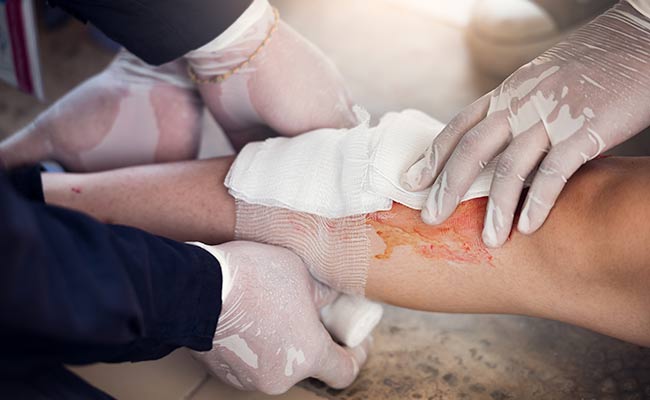
Managing Severe Bleeding
Here at First Aid Accident & Emergency, we regularly teach our first aid students about the most accurate and up-to-date ways to deal with a wide range of emergency medical scenarios. One of these scenarios is how to best manage severe and life-threatening bleeding.
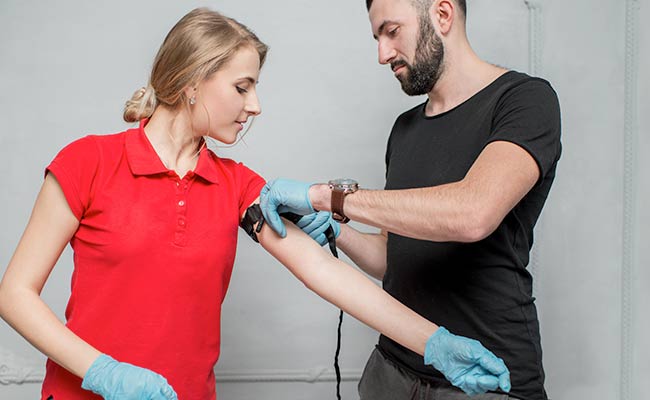
Tourniquet: Top Tips
If you find yourself in the middle of a medical emergency where life-threatening bleeding is involved, using a tourniquet is often your best option until medical assistance arrives. We’ve decided to share some of our knowledge with you on tourniquets, including a summary of what they are and how to use them.
 Construction Defibrillator Bundles